
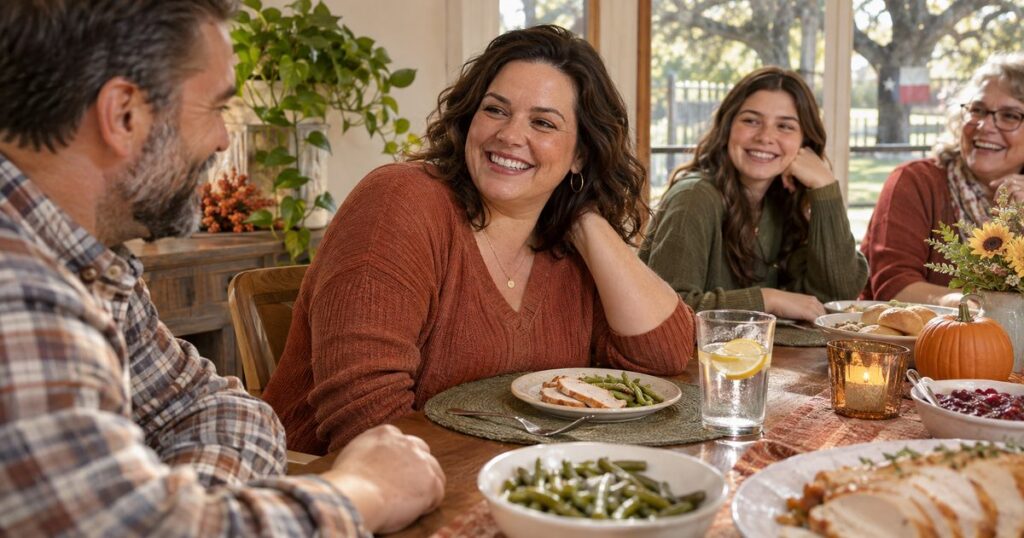
If this is your first Thanksgiving since bariatric surgery, it is completely normal for the day to feel a little overwhelming. The table is full, the smells are familiar, and everyone around you may have an opinion about what you should eat.
You are not failing, and you do not have to do this perfectly. We are here to support your real life.
Many of our patients in Cedar Park, Austin, and across Central Texas tell us the same thing before the holidays arrive. They worry about disappointing family, about feeling left out, and about whether one big meal could undo their hard work.
So we put together five practical tips for the week ahead. Take what helps and leave the rest.
Five Gentle Tips for Your First Holiday Meal
A big Thanksgiving meal moves fast. Conversation, passing dishes, and second helpings can pull you along before your body has a chance to speak up.
Slowing the pace gives you room to notice early fullness cues, which is the best protection against that uncomfortable, overfull feeling.
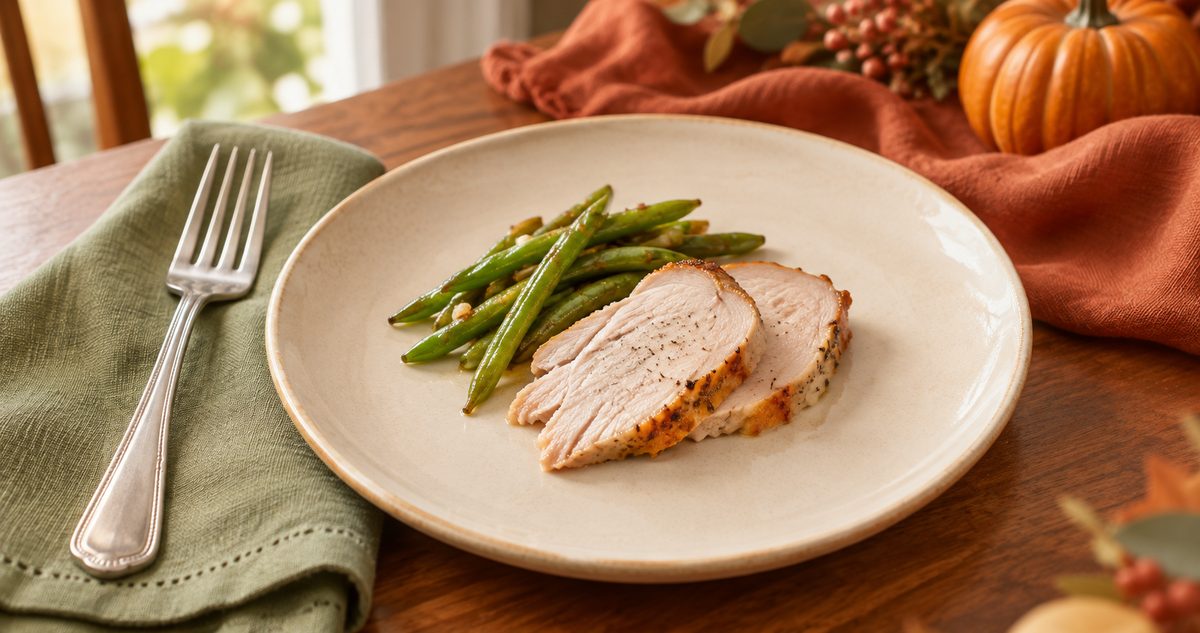
- Choose a small plate, such as a salad or dessert plate, and fill it once with intention.
- Set your fork or spoon down between bites.
- Take small bites and chew thoroughly before the next one.
- Pause often and ask yourself how your stomach feels right now.
- When you feel the first sign of fullness, stop. You do not need to finish what is on your plate.
Utensils down
Stop at first fullness
Think of protein as the part of the meal that helps you feel strong and satisfied. It supports your energy, your healing, and your muscle, which is why we ask you to eat it first.
Turkey is a wonderful choice. Start there, then add smaller portions of the other dishes you love.
Your nutrition plan depends on how far you are from surgery and which procedure you had. Textures, portion sizes, and what you can comfortably eat may look different for someone at six weeks than for someone at one year. If you are not sure what applies to you, check your handout or call our care team before the holiday.
Know your post-op stage
Energy, not a chore
Most relatives who push second helpings are showing love the way they know how. A kind, simple answer usually works better than a long explanation, and you never owe anyone the full story of your surgery.
Simple Scripts You Can Borrow
- “Everything is delicious, and I am full for now. Thank you for cooking all of this.”
- “That pie looks amazing. Could I take a slice home and enjoy it tomorrow?”
- “I am all set, but I would love to hear how you made the dressing.”
- “My doctors have me on a plan that is working, and I am sticking with it. I am so glad to be here with you.”
It also helps to tell one trusted person before the meal, such as a spouse, sibling, or close friend, so they can step in if the pressure builds.
Redirect the conversation
Bring an ally
Long afternoons of appetizers, snack boards, and dessert tables make mindless grazing easy. A little planning keeps you comfortable and present.
- Keep a non-caloric drink in your hand, such as water, infused water, or herbal tea. Ask your care team how they would like you to time sips around meals.
- Fill one small plate at the snack table, then step away from it.
- Visit with people in the living room, on the porch, or on a short walk instead of standing next to the kitchen.
- Eat your planned small meals and snacks earlier in the day so you do not arrive overly hungry.
- Give yourself permission to step back, rest, or head home when you have had enough.
Socialize away from the food
It is okay to step back
One meal does not define your progress. Neither does one holiday, one weekend, or one hard day.
Your success is built from thousands of everyday choices, and you will make plenty of good ones before and after Thursday. If the day does not go exactly as planned, simply return to your plan at your next meal. There is nothing to make up for and nothing to punish yourself over.
Try to let the menu take a back seat to connection and gratitude. Notice who is at the table, who made you laugh, and how far you have come since last year.
Connection over the menu
Be kind to yourself

Quick Holiday Plate & Pacing Cheat Sheet
Screenshot this table or tuck it in your pocket for Thursday. It covers the common holiday traps and a gentler way to handle each one.
| Common Holiday Trap | Bariatric-Friendly Swap | Why It Helps |
|---|---|---|
| A full dinner plate piled high | A small plate, filled once, protein first | Gives you a clear, comfortable portion and puts the most important nutrient first. |
| Eating quickly while chatting | Utensils down between bites, small bites, slow chewing | Lets you notice early fullness before you are uncomfortable. |
| Seconds on autopilot | Pause, check in with your stomach, then decide | Turns a habit into a choice and protects your comfort. |
| Grazing at the snack table all afternoon | One small plate, then step away from the table | Keeps mindless bites from adding up. |
| Sugary punch, cider, or cocktails | Water, herbal tea, or infused water | Keeps you hydrated and avoids sugary drinks that can sit poorly after surgery. |
| A large slice of pie | A few bites, or take a slice home for later | Lets you enjoy the flavors you love without feeling overfull. |
| Skipping meals earlier to “save room” | Eat your planned small meals and snacks as usual | Prevents arriving overly hungry and eating too fast. |
Meet Your Surgeons

Dr. Nicole Basa, MD
Dr. Basa specializes in minimally invasive and robotic bariatric surgery at BA Medical Center. Her patient-centered approach pairs surgical skill with a deep understanding of the daily life her patients are living.

Dr. Alan Abando, MD
Dr. Abando is known for his compassion and attentive care. He specializes in bariatric and minimally invasive surgery, and his patients often tell us how supported they feel at every stage of their journey.
Frequently Asked Questions
How much should I eat at Thanksgiving dinner after bariatric surgery?
There is no single answer, because portions depend on your procedure and how far you are from surgery. A small plate, slow bites, and stopping at your first sign of fullness are good guides for almost everyone. Your care team’s nutrition plan always comes first.
What if I feel uncomfortable or overfull during the meal?
Stop eating, set your utensils down, and give yourself a few quiet minutes. Sit upright and avoid lying down right away. If discomfort is severe, does not ease, or comes with vomiting or ongoing pain, contact our care team or seek medical care.
Can I try a little dessert at a holiday gathering?
This depends on your procedure and your stage of recovery, and some patients find rich or sugary foods uncomfortable. If your care team has cleared small tastes, a few bites eaten slowly after your protein can be plenty. When in doubt, check with us before the holiday.
What should I drink at the party?
Water is the easiest choice, and herbal tea or lightly infused water can add variety. Many patients are asked to avoid carbonation, sugary drinks, and alcohol, and to sip between meals rather than during them. Your care team can confirm what is right for you.
What if I slip up or eat more than I planned?
Please be gentle with yourself. One meal does not erase your progress, and shame does not help anyone heal. Return to your usual eating plan at your next meal, and reach out to us if you have questions or concerns.
A Note Before You Go
We know how much courage it took to get to this point, and we are proud of the work you have put in.
This holiday, we hope you eat slowly, say a kind no when you need to, and spend more time laughing than counting. If you have questions about your specific stage of recovery, our care team is always here to help.
With warmth and gratitude,
Dr. Nicole Basa & Dr. Alan Abando

